

Bereits vergangenen Freitag Nachmittag gab das Unternehmen Nvidia seine aktuellen Quartalszahlen für das zurückliegende zweite Quartal des Geschäftsjahres 2008 bekannt. Demnach konnte man den Umsatz im Vergleich zum zweiten Quartal 2007 von 687,5 auf 935,3 Millionen US-Dollar steigern, was einem Plus von 36 Prozentpunkten entspricht. Mit 172,7 Millionen US-Dollar bzw. 43 US-Cent je Aktie konnte man den Netto-Gewinn fast verdoppeln (+99 Prozent). Ausschlaggebend für die guten Zahlen ist ein Umsatzwachstum in den Bereichen Desktop-Grafik (+37 Prozent) und Notebook (+129 Prozent).
"Nvidia delivered an outstanding quarter, with record revenue, record gross margin, and record net income. These results reflect the growing importance of the GPU as well as great execution across the company," so Jen-Hsun Huang, Präsident und CEO von Nvidia. "Our ongoing strategy to extend the reach of the GPU is paying off. There is a fast-growing universe of applications that rely on the processing capability of the GPU, from 3D design and styling tools, video and photo editing software, 3D maps, and video games, to the user interfaces of the Mac and Vista. The GPU can surely enhance the computing experience for everyone, from artists, engineers, and scientists, to gamers and everyday PC users."
Bei Technical SEO geht es bei einem Relaunch oft um mehr als eine technisch „saubere“ Website. Eine Internationalisierung oder ein...
Fühlen Sie sich sicher in Ihrem Zuhause? Mehr als jede vierte Person in Deutschland (28,6 %) gab laut der SKiD-Dunkelfeldstudie...
Für viele Freizeitläuferinnen und -läufer ist nicht das Training selbst die größte organisatorische Herausforderung. Schwieriger ist der Übergang zwischen Arbeit,...
ASUS bringt die Creator-Laptops ProArt P14 (H7407) und P16 (H7607) mit Nvidia RTX Spark ab sofort in Deutschland auf den...
ASUS Republic of Gamers (ROG) startet den Verkauf des ROG Xbox Ally X20. Der Gaming-Handheld kombiniert ein durchscheinendes schwarzes Gehäuse...
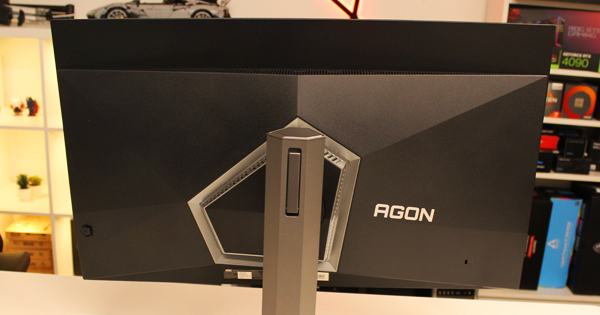
Mit dem AGON Pro AG326UZD2 hat AOC einen Gaming-Monitor mit OLED-Panel im Angebot. Der 240 Hz schnelle Monitor bietet 4K-Auflösung und weitere Features ab rund 900 Euro. Mehr dazu in unserem Test.
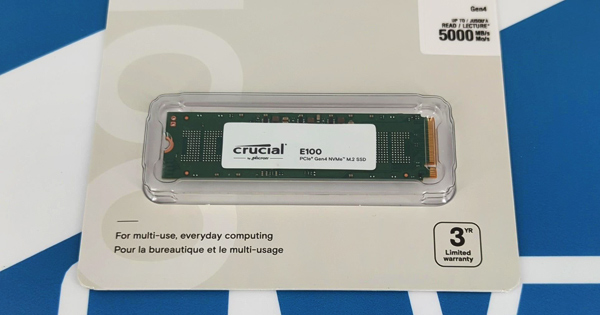
Die E100-SSD von Crucial basiert auf einem PCIe Gen4 Interface und QLC-Flashspeicher von Micron. Die Serie zielt auf Ein- und Umsteiger in die SSD-Welt ab. Wir haben uns das 1-TB-Modell im Test angesehen.